

Reports & Insights
Explore HelpSeeker’s collection of data-driven reports highlighting trends, challenges, and opportunities across Canada’s social landscape.
Each publication offers clear, evidence-based insights to support informed decision-making for policymakers, community leaders, and service organizations.
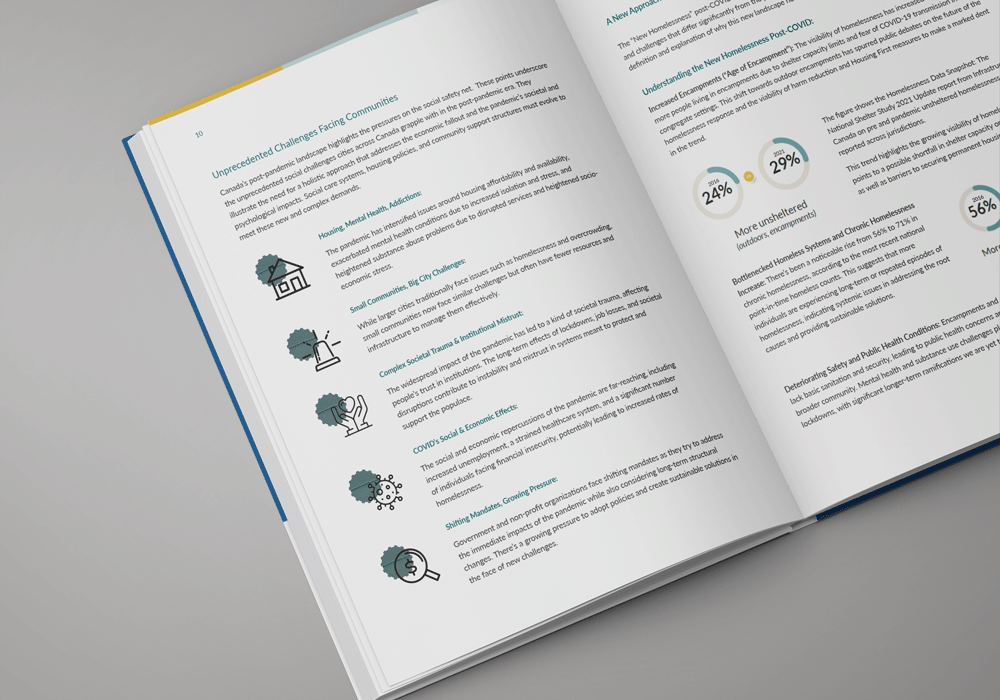
Getting Ahead of the New Homelessness by 2030
As we navigate these challenging times, it is crucial to understand that homelessness does not occur in isolation; it is often both a cause and a consequence of various other social issues.

Karto Signals: Shifting Responses to Encampments
Canadian cities have witnessed a significant rise in the number of encampments. This Signals Briefing examines emerging policy shifts, legal changes, and municipal responses to encampments, offering a data-driven analysis of how Canada can address this crisis with more effective, human rights-based approaches.
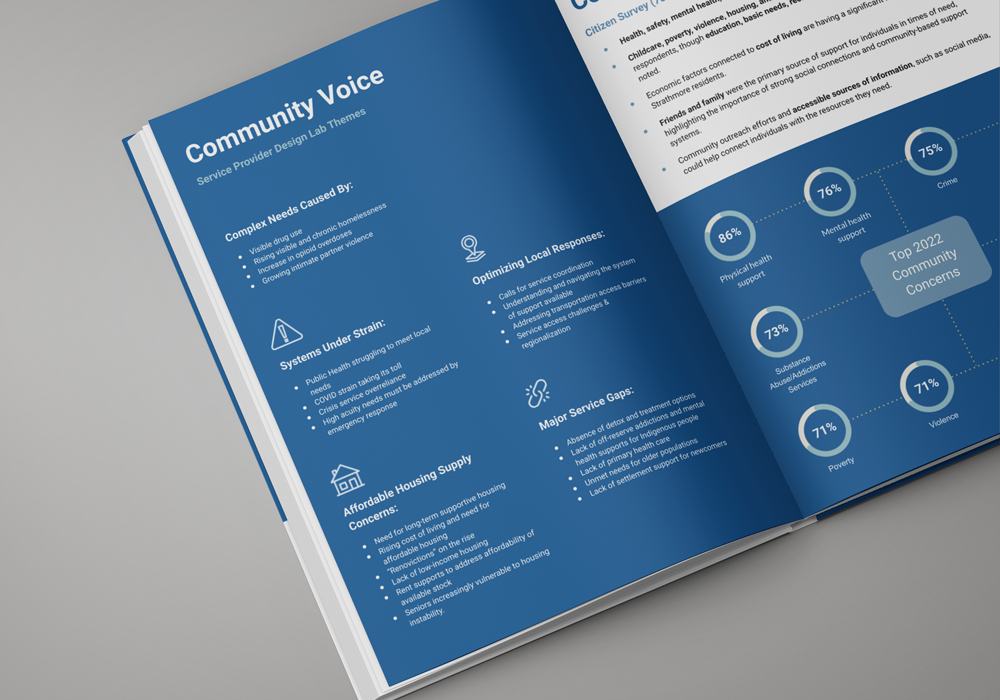
2023 Strathmore Social Needs Assessment
The Town of Strathmore engaged HelpSeeker Technologies to enhance its approach to data generation, processing, and insight development from a variety of data sources, emphasizing the importance of community engagement for this summary report.
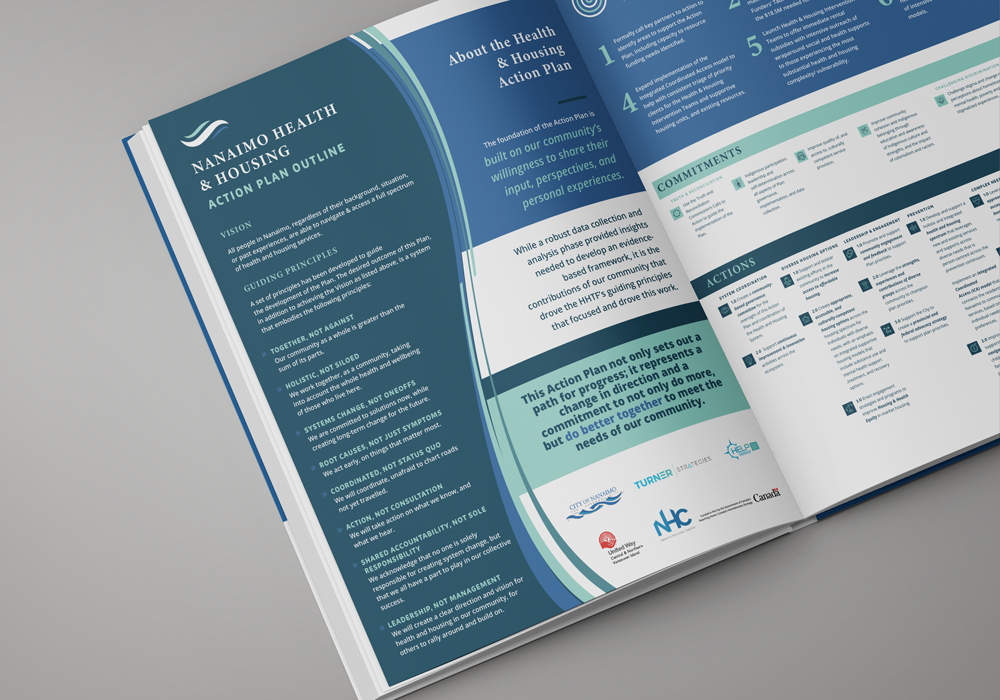
Nanaimo Health and Housing Action Plan
The Health and Housing Task Force is dedicated to elevating health and housing as key community priorities. With a unified goal of ensuring health and housing for all, a strategic five-year roadmap aimed at fostering collaboration and initiating bold actions was drafted.
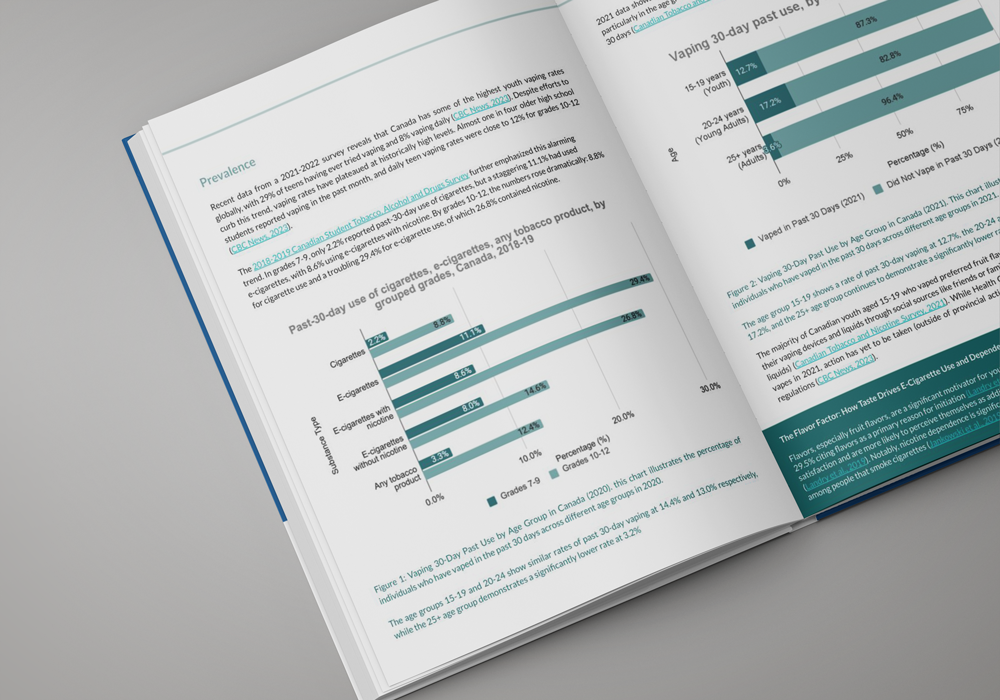
Karto Signals: Child and Youth Safety and Wellbeing Post-COVID19
Karto Signals provide in-depth analysis and insights into emerging or pressing issues in the social infrastructure landscape. This briefing highlights emerging post-pandemic risks affecting children and youth. These challenges demand data-driven policy responses, targeted interventions, and collaborative social infrastructure solutions.
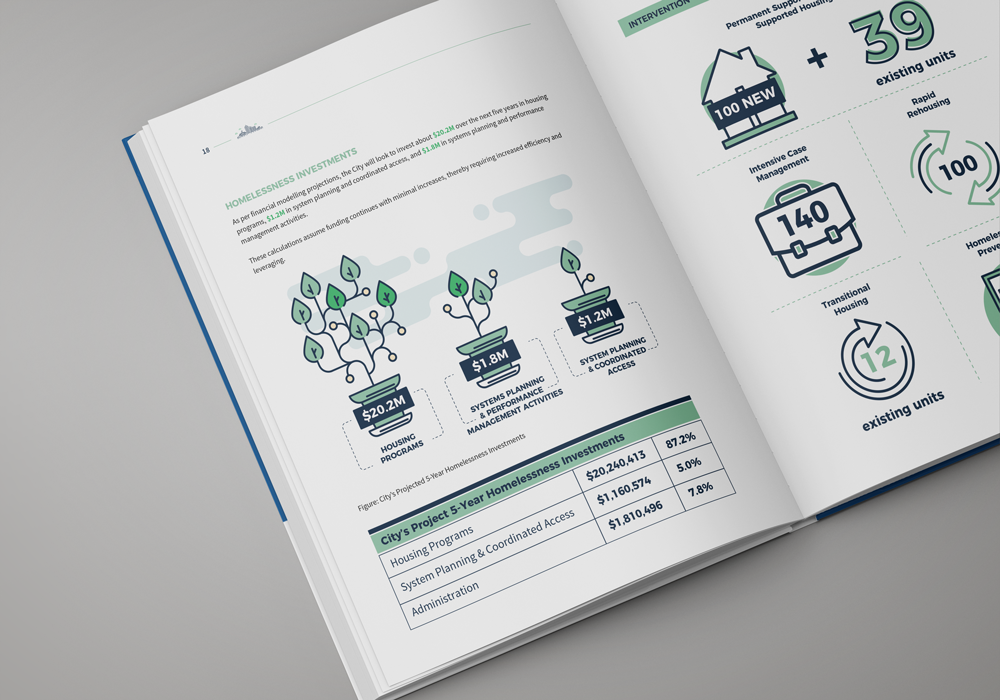
Red Deer Community Housing and Homelessness 5-Year Integrated Plan
Continuously assessing Red Deer’s response to housing and homelessness needs is crucial. The Community Housing & Homelessness Integrated Plan encapsulates a decade of research and action, enriched with input from over 2,700 community voices.
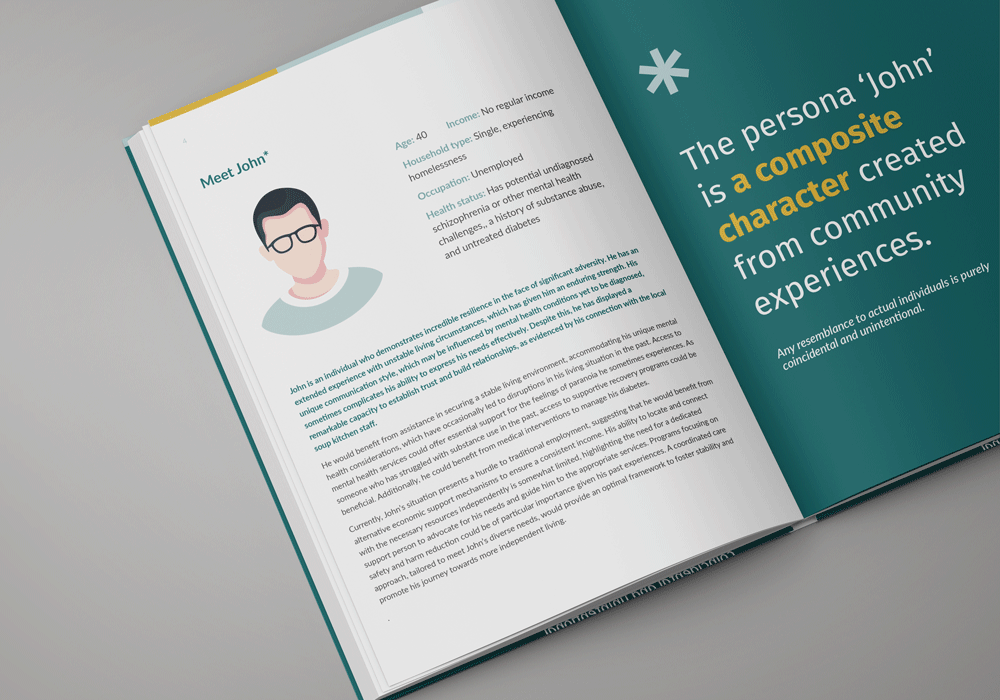
Persona Mapping – Data-Based Representative Profile
Persona mapping replaces impersonal statistics with a composite 'persona' that exemplifies a typical member's experiences of safety and well-being. By bringing data to life, it enhances our understanding of the real-world impact of our decisions.
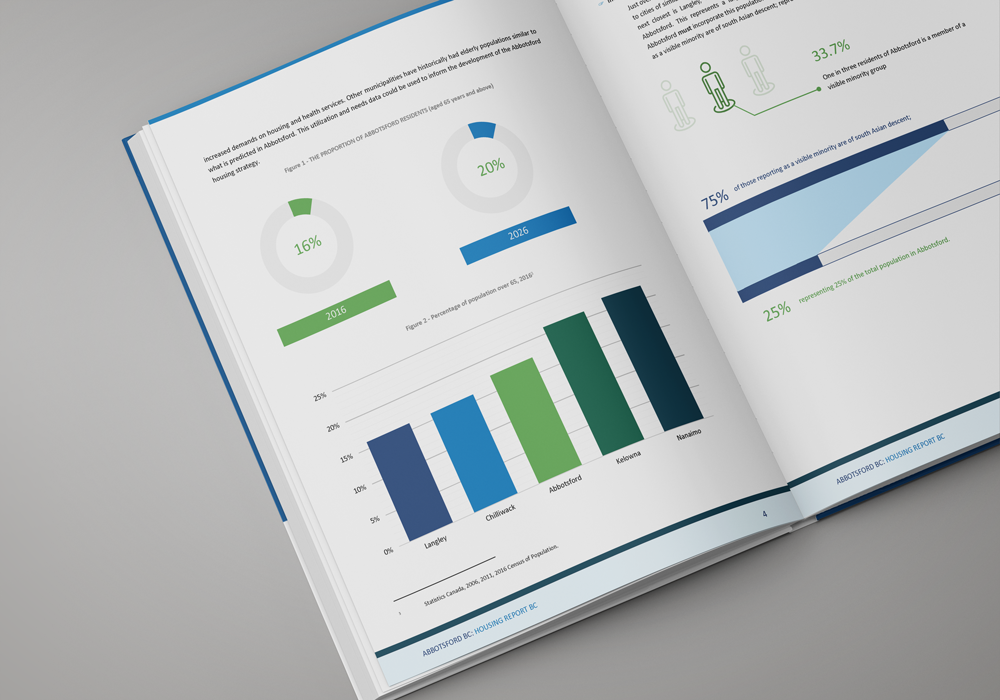
Abbotsford BC Housing Needs Report
Aimed at identifying and prioritizing crucial areas of Housing Needs, this report will play a pivotal role in guiding the development of related initiatives over the next five years, ensuring that the evolving housing requirements of Abbotsford's growing community are effectively met.

Lethbridge Community Wellbeing Needs Assessment Report
Lethbridge City Council holds a broad mandate to ensure effective governance, foster a safe and viable community, and deliver essential services. This process, grounded in research, data analysis, best practices, and community engagement, aims to develop the Community Social Development Strategy.
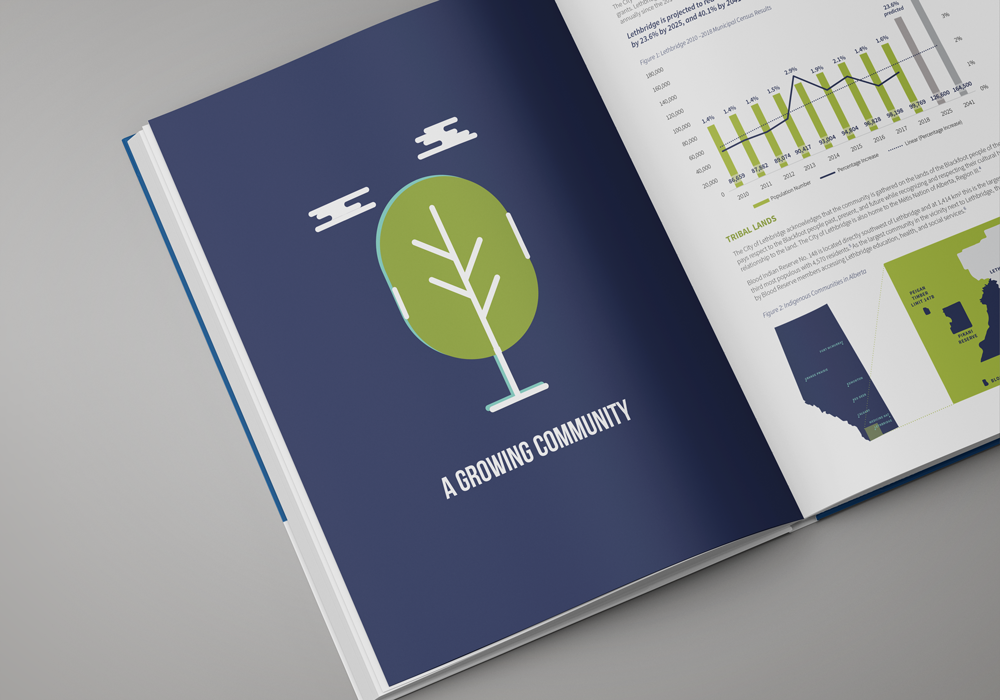
Lethbridge Community Wellbeing Strategic Plan
The City of Lethbridge’s Community Social Development (CSD) department has successfully completed a rigorous process to establish its 5-year Strategic Plan, rooted in extensive research, data analysis, best practices, and community engagement.
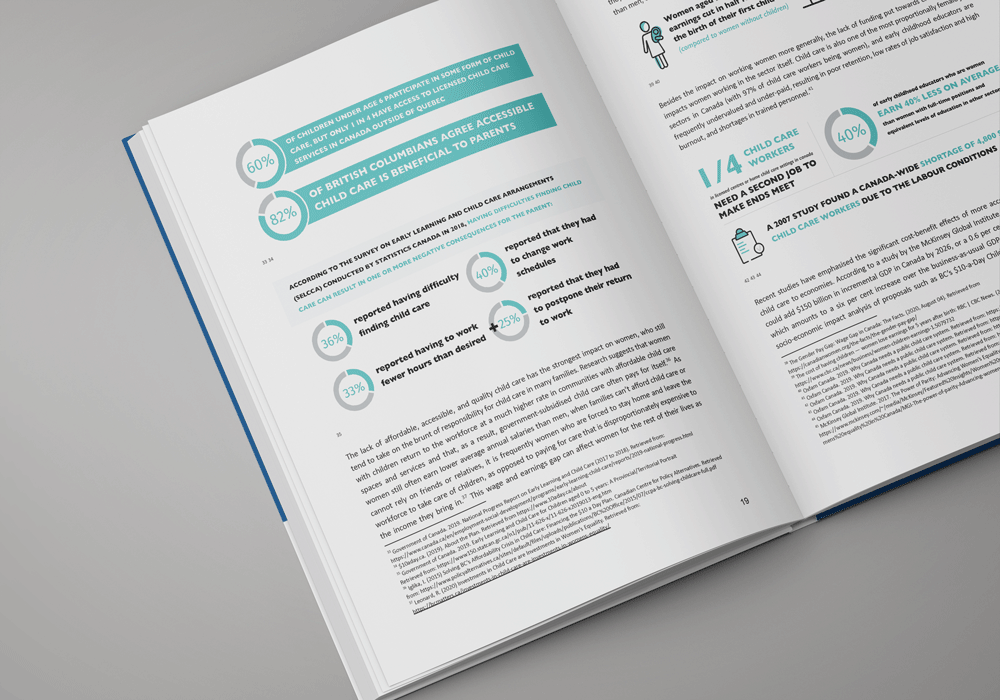
Childcare in Abbotsford: Current State and Anticipated Needs
The report "Child Care in Abbotsford: Current State and Anticipated Needs" initiates the process to address this shortfall. Drawing from a comprehensive review of best practices in child care, an analysis of existing local research and data, and extensive community consultations with various stakeholders.
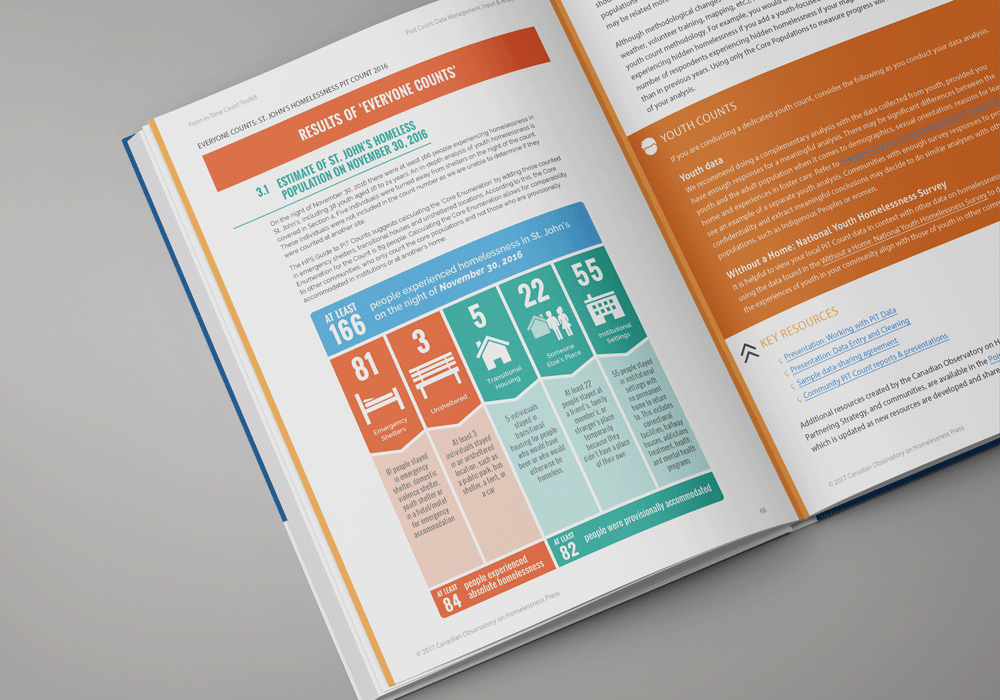
Point-in-Time Toolkit
A Point-in-Time (PiT) Count is an effective strategy for gauging the extent of homelessness in a community on a specific night. This method enables communities to gain insights into both the magnitude and nature of homelessness and the demographics of the homeless population.